
01
Feedstock Readiness
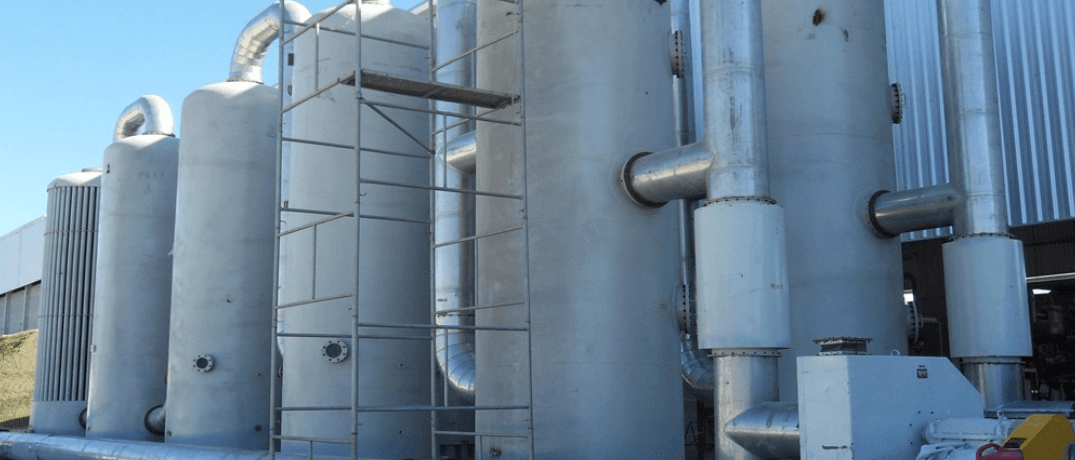
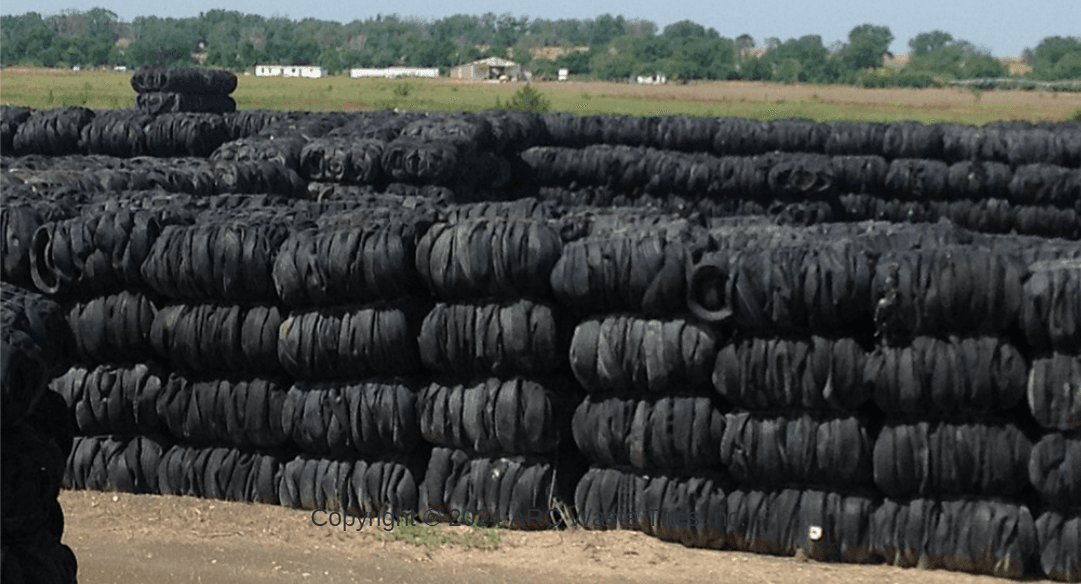
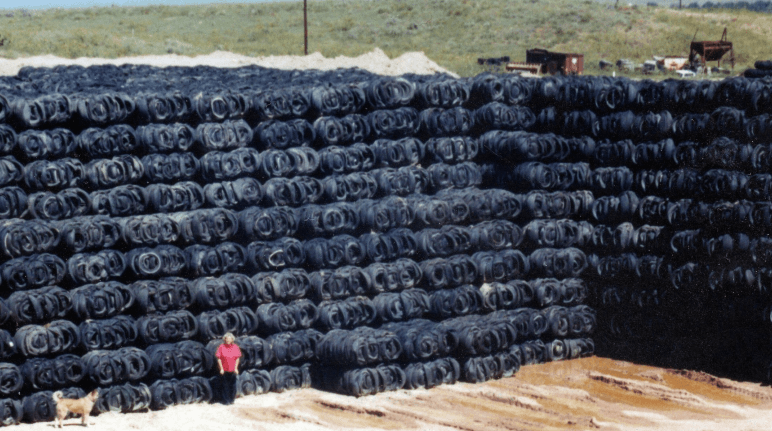
ARC has developed supply chain relationships that can support up to 150 tons of waste tires per day from retailers, haulers, landfills, and recycling programs.
Learn moreARC Waste Tires Inc.
ARC combines established pyrolysis equipment, planned tire-feed relationships, and closed-loop controls to convert a difficult waste stream into usable fuel oil, carbon black, recovered steel, and process gas.
150
tons of waste tires per day
7th
generation process system
4
marketable output streams
Output Focus
Fuel oil, carbon black, steel braid, and hydrocarbon gas aligned to real commodity demand.
Plant Model
A modular footprint built around recovery efficiency, lower waste handling costs, and scale.
Operations Overview
ARC Waste Tires was formed to combine long-horizon planning, proven international technology, and a commercially realistic supply chain for tire recycling in North America. The mission remains focused on recycle, renew, and reuse by converting waste tires into valuable industrial resources.
ARC has developed supply chain relationships that can support up to 150 tons of waste tires per day from retailers, haulers, landfills, and recycling programs.
Learn more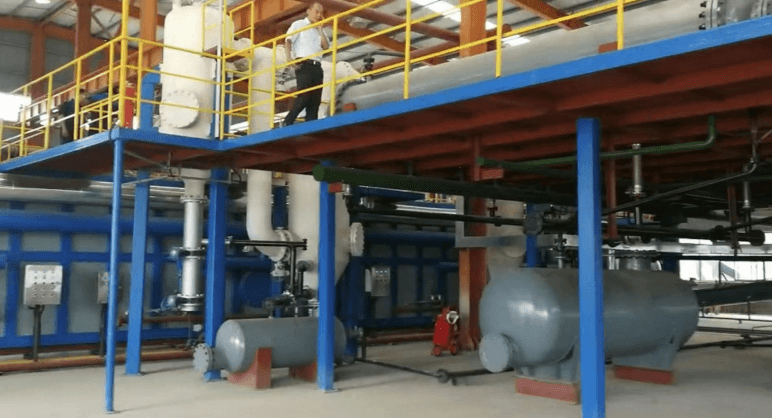
Our seventh-generation system is designed for round-the-clock operation, lower production costs, and cleaner process control.
Learn more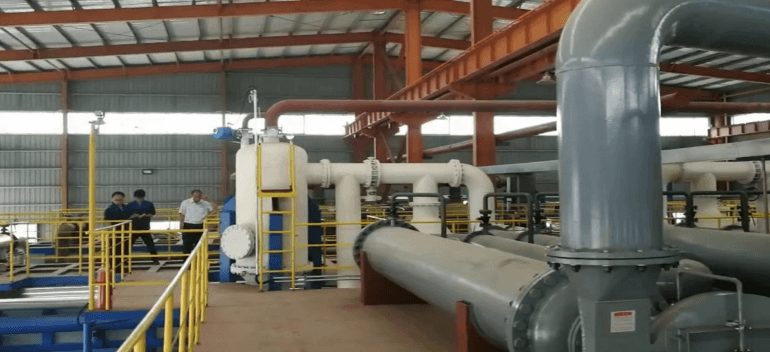
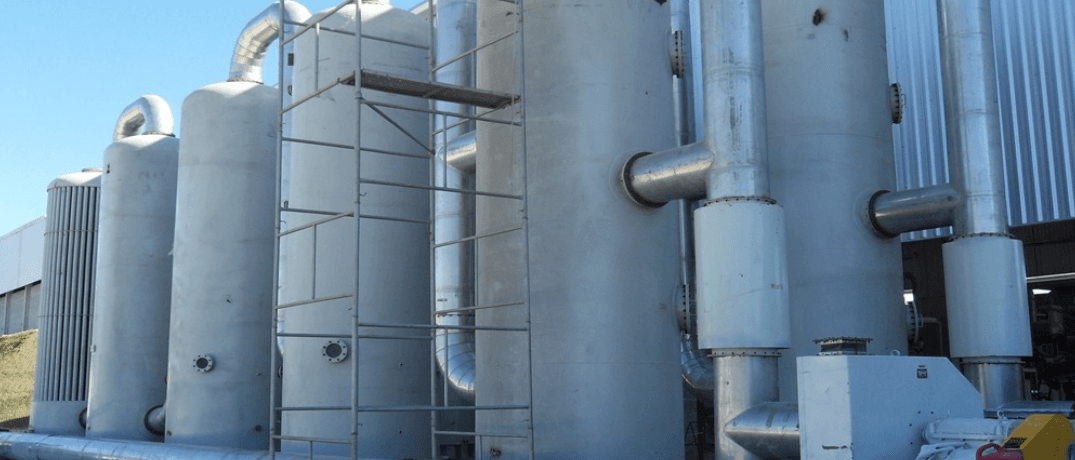
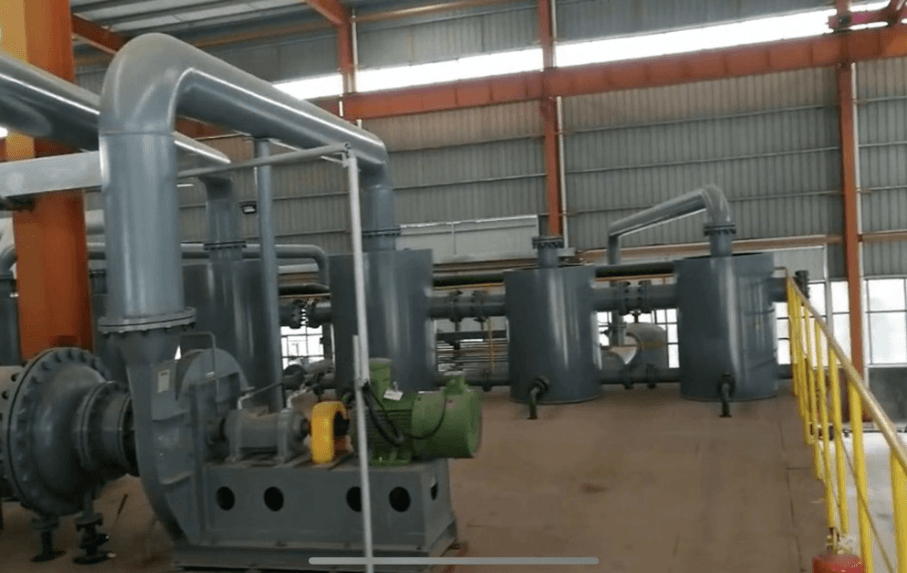
The process is designed around thermal oxidation, gas management, multi-stage scrubbers, and enclosed material handling to support cleaner operations.
Learn moreGlobal Reach
ARC's chosen pyrolysis process has been under active development for more than 20 years and is already deployed in China, Taiwan, Malaysia, Thailand, India, France, Brazil, Hungary, Estonia, and Germany.
That international operating history matters because it frames ARC less like a speculative concept and more like a commercially grounded project with working precedent, tested outputs, and a clearer path to implementation.
20+
Years in system development
10
Countries with operating precedent
24/7
Continuous operating target
Pyrolysis Technology
The system processes tires into four primary outputs while reusing part of its recovered gas and oil as process energy, reducing waste and lowering production costs. Waste tires are staged on-site and fed through a continuous conveyor system to support uninterrupted operation.
Fuel oil can be marketed to industrial users as a recycled energy product with diesel-like heat value.
Carbon black demand continues to rise with tire manufacturing, printing, coatings, and plastics applications.
Steel braid and recovered gases improve total return while reducing operating costs inside the plant itself.
Commercial Fit
ARC's advantage starts with low-cost feedstock and extends through every stage of the plant: tipping fee avoidance, transportation savings, recovered commodity sales, and internal reuse of process fuel.
The wider opportunity is to redirect scrap and used tires away from landfill or low-value burn applications into a recovery model that creates more durable industrial outputs.
Market Strategy
ARC's marketing plan centers on commodity demand, raw-material advantage, and the ability to scale recycling throughput without depending on niche end markets. The project also benefits from industrial infrastructure, logistics connectivity, and diversified product positioning across fuel, carbon black, and recycled steel.
Expansion Plan
Identify additional supply chains from retail centers, haulers, and landfills.
Develop joint ventures with tire manufacturers and carbon black buyers.
Expand into new North, Central, and South American feedstock networks.
Compliance Approach
Closed-loop pyrolysis design avoids open combustion during tire conversion.
Scrubber-based emissions controls and ongoing monitoring support environmental compliance.
Multiple saleable outputs help reduce exposure to any one commodity market.
Contact ARC
ARC is looking for conversations with municipalities, feedstock partners, industrial buyers, and development teams evaluating tire-recovery capacity.
Best For
Municipal partnerships, feedstock suppliers, industrial buyers, and project development teams.
Discussion Topics
Tire supply, market strategy, output sales alignment, and facility scaling across new regions.